- JEPAA Member
- Nonfiction Writer
- Shigeo Kurihara
- ノンフィクション作家
- 栗原茂夫
© 2026 Shigeo Kurihara.
SCROLL
MEDITERRANEAN CONFERENCE CENTER
July 3–5, 2026
Shigeo Kurihara
栗原茂夫
Shigeo Kurihara is a Japanese writer.
His works have been exhibited not only in Japan, but also in countries around the world.
栗原茂夫は日本の作家。
日本のみならず世界各国に作品を出展。
My Home, Saipan, the Island of Desperate Defense—A Boy’s Memory of War
私の故郷・玉砕の島サイパン−少年が見た戦争の記憶

Artist’s Statement
This book is based on the memoirs left behind by the author’s mother, who experienced war firsthand and wrote about her life in her later years. Before her death, she told him:
“I only wrote the trunk of the tree. You must add the branches and leaves.”
With those words in mind, the author completed this work by connecting his mother’s memories with his own recollections of the same era. Written in a documentary-like style with minimal dramatization, the book seeks to faithfully preserve the reality of war for future generations.
At the center of the story is a family of pioneer settlers living on an island: a husband and wife and their four sons.
On June 11, 1944, the family experienced their first air raid and fled into a cave together with the seven members of the Aoki family. As food and water became nearly impossible to find, hunger and thirst pushed them to their limits.
On June 26, American soldiers discovered the cave, shouting, “Come out!” The second son was taken outside first. When his mother saw him again, she asked, “Did you drink water?” He answered, “I drank a lot.”
Still waiting for her husband to return, the mother quietly told her children:“If we die, let’s die together.”
The family was later sent to a civilian internment camp, where the youngest son and the third son died of starvation. No photograph of the youngest child was ever preserved.
This book is both a family record and a testimony to the devastating human cost of war.
執筆の動機
亡き母が死を前位に自分の生涯を綴った手記を残した。
「木の幹だけ書いたので、枝や葉はお前が繋げて」とあった。
戦果の部分なら体験が重なるので共著のつもりで。
脚色は廃し、ドキュメントタッチでと。
「戦争がどれだけ恐ろしく悲惨かを後世に伝えるには体験した人から直接聞くこと。」との中学生の声に背中を押されながら。
家族のこと(開拓移民の夫婦と島で生まれた4人の兄弟)
・昭和44年6月11日初めて空襲を体験
・洞窟へ逃げて青木家(7人)と合流
・父と祖父は水と食料を求めて外へ。入手困難で餓えと渇きは極限状態
6月26日米兵に発見され「デテコイ」
次男が連れ出される。
母「水飲んだ?」
「いっぱい飲んだ」
父の戻りを待っていた母が「死ぬ時は一緒に死のうね」と。
民間捕虜収容所で末弟と三男が相次いで餓死。
末弟の写真はないまま。
Japan-Europe Palace Art Association Commentary
Shigeo Kurihara’s My Homeland, Saipan: Memories of War Seen Through a Child’s Eyes is far more than a conventional wartime memoir or historical document. At the heart of the book lies a handwritten testament left behind by the author’s mother in the final years of her life. Kurihara takes what she once described as “the trunk of the tree” and gives it “branches and leaves” through his own memories, research, and lived experience. As a result, the work carries a remarkable depth of memory that transcends the perspective of a single witness, becoming instead a layered record passed across generations.
What is particularly striking is the book’s refusal to dramatize the horrors of war through excessive rhetoric. Rather, the unbearable heat inside the caves, the frustration of wounded soldiers, and the father’s silent glances toward his family accumulate into vivid human scenes that reveal, with extraordinary clarity, what it meant simply to survive under catastrophic conditions. There is neither heroism nor sentimental exaggeration here; what remains is the stark reality of human beings struggling to stay alive. It is precisely this restraint in narration that gives the work its profound emotional force.
Moreover, the book does not confine war to the past. The deaths, hunger, fear, and enduring bonds of family continue to confront the reader with essential questions about human existence itself. Combining the integrity of documentary literature with deeply nuanced human portraiture, this work stands as an exceptionally valuable contribution to the literature of war and memory.
本書は、戦争を体験した母が晩年に書き残した手記をもとに綴った記録である。
母は、自らの生涯を振り返る中で、「木の幹だけ書いたので、枝や葉はお前が繋げて」と言い残した。著者はその言葉を受け止め、母の記憶と自身の体験を重ね合わせながら、本書を執筆した。とりわけ戦禍に関する部分については、自身も同じ時代を生きた一人として、共著のような思いで筆を進めたという。
執筆にあたっては、過度な脚色を避け、できる限り事実に寄り添ったドキュメントタッチで描くことを大切にした。また、「戦争がどれだけ恐ろしく悲惨なものかを後世に伝えるには、実際に体験した人から直接聞くことが大切だ」という中学生の言葉にも背中を押され、この記録を残す決意を固めた。
物語の中心となるのは、開拓移民として島で暮らしていた一家の記憶である。
夫婦と、島で生まれ育った四人兄弟。昭和19年6月11日、一家は初めて空襲を体験した。家族は洞窟へ逃げ込み、青木家七人と合流する。父と祖父は、水と食料を求めて外へ向かったが、物資の入手は極めて困難で、飢えと渇きは日に日に極限へと追い込まれていった。
そして6月26日、洞窟は米兵に発見される。「デテコイ」という声とともに、次男が外へ連れ出された。再会した母は、「水飲んだ?」と問いかける。次男は「いっぱい飲んだ」と答えたという。その一方で、父の帰りを待ち続けていた母は、「死ぬ時は一緒に死のうね」と家族に語った。
その後、一家は民間捕虜収容所へ送られる。しかし過酷な環境の中で、末弟と三男は相次いで餓死した。末弟は写真すら残されることなく、その短い生涯を閉じた。
Post-Exhibition Report
展覧会開催報告

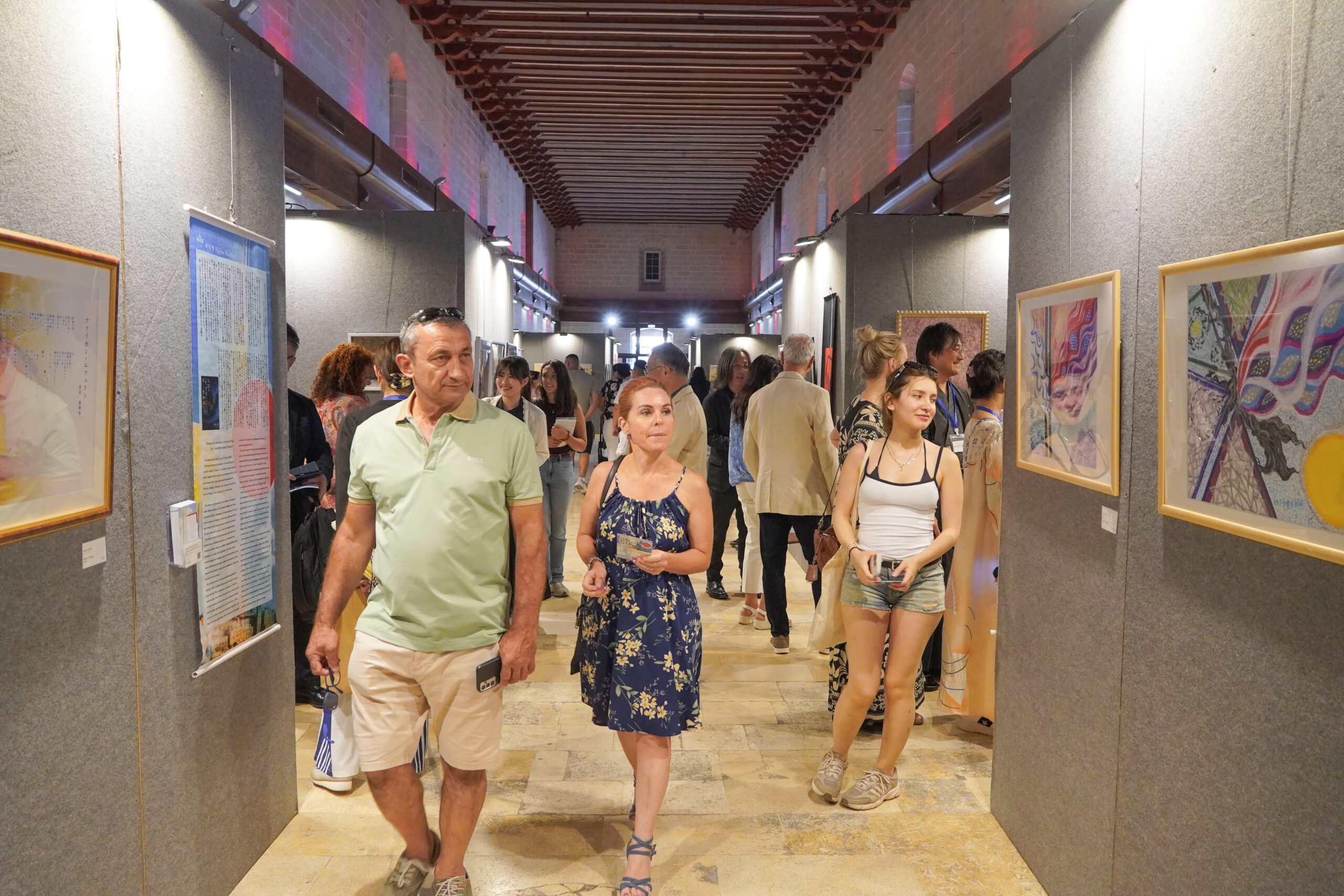
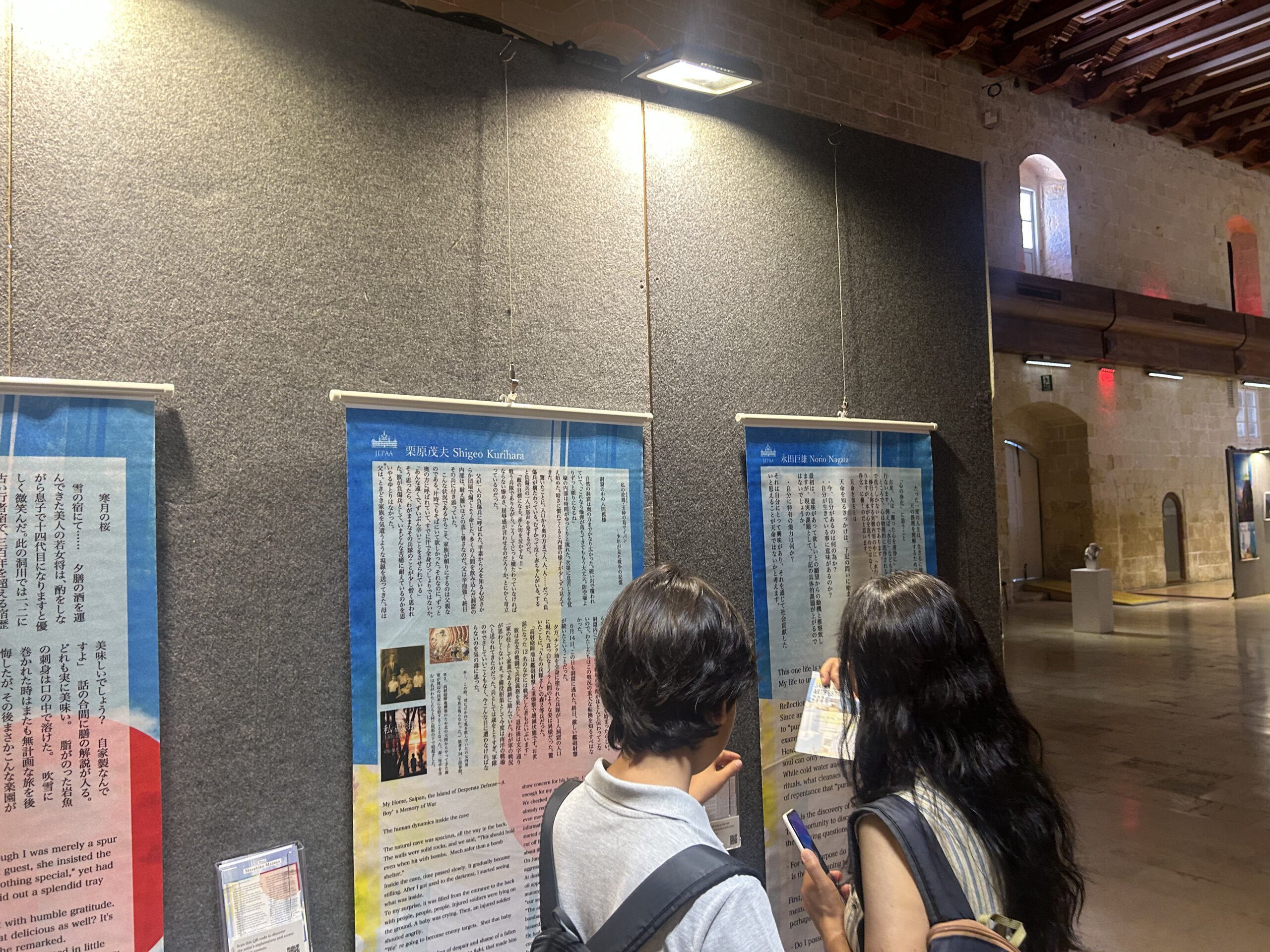
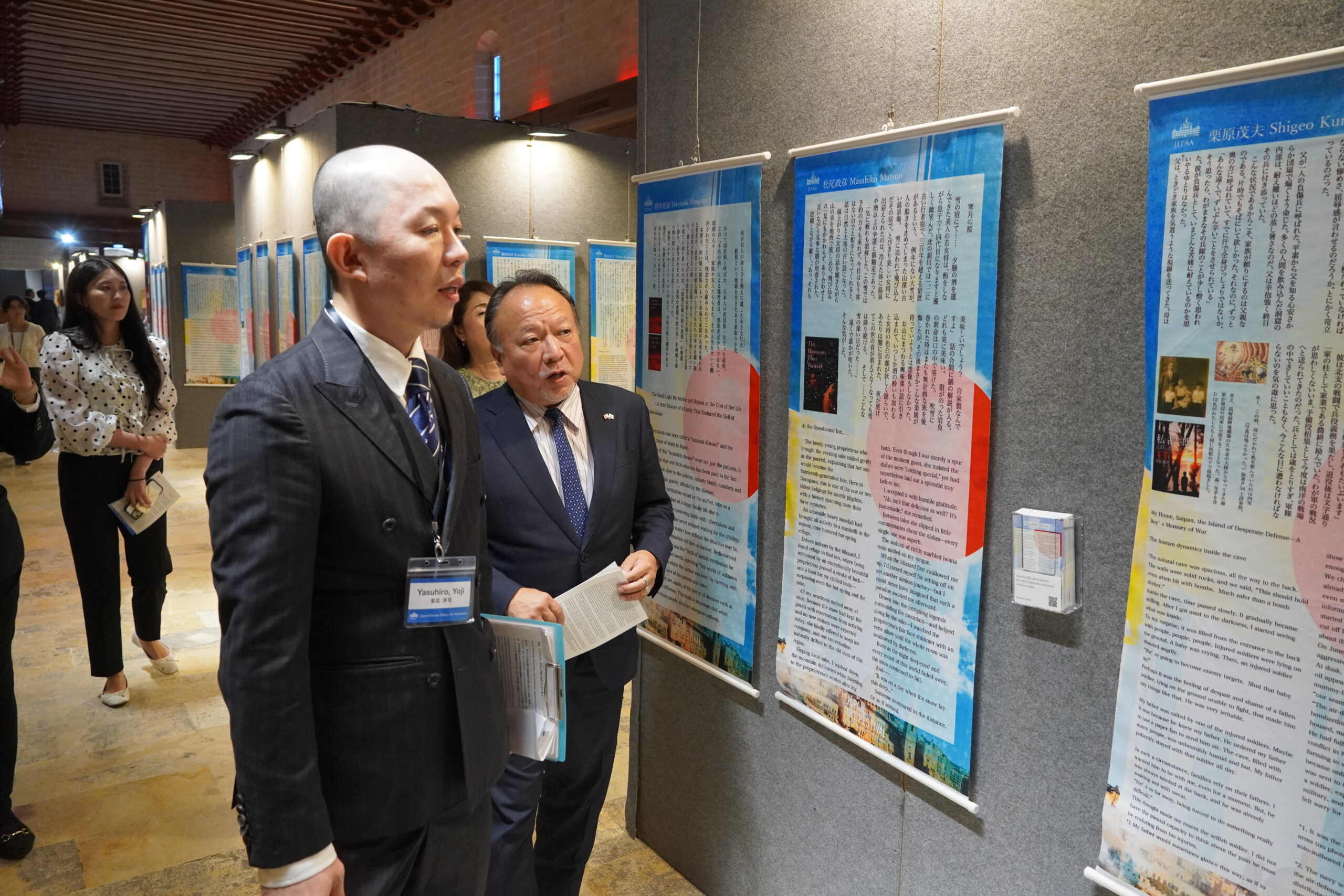
Exhibition Report URL
展覧会報告URL