- JEPAA Member
- Calligraphy
- Jukei Niiro
- 書道
- 新納寿逕
© 2026 Jukei Niiro.
SCROLL
MEDITERRANEAN CONFERENCE CENTER
July 3–5, 2026
Jyukei Niiro
新納寿逕
Jukei Niiro is a Japanese calligrapher and a member of the Japan-Europe Palace Art Association.
Her works have been exhibited not only throughout Japan but also in countries around the world.
新納寿逕は日本の書家。日欧宮殿芸術協会の会員。 日本のみならず世界各国に作品を出展。
Even the Sidewalks Are Covered with Falling Cherry Leaves in Autumn
(Aiko — Haiku)
歩道にも桜紅葉のいとまなし(愛子句)
.jpg)
Artist’s Statement
In spring, the cherry blossom buds begin to swell, and before long, the trees burst into full bloom.
At that moment, it feels as though all of Japan is filled with light.
Soon the petals scatter in the wind, and in summer, the fresh green leaves bring a quiet sense of comfort and peace.
Then, in autumn, those abundant leaves turn brilliant shades of red and gold before gently falling one by one to the ground. That sight, too, possesses a delicate beauty and stirs a feeling of quiet melancholy.
Through this endless cycle repeated year after year, one can deeply sense the rhythm and vitality of life itself.
春の桜は蕾が膨らみ、あっという間に満開になる。
この時は日本中が明るくなる。
やがて花吹き、夏には青葉美しく、心を癒してくれる。
その大量な桜葉も秋には紅葉し、ハラハラと落葉していく、この姿もまた美しいし、感傷的になる。
一年の繰り返しが生命の営みを感じるように。(秋の句)
Summer Grasses — All That Remains of Warriors’ Dreams
(Haiku by Matsuo Bashō)
夏艸や兵者どもが夢の跡(松尾芭蕉句)
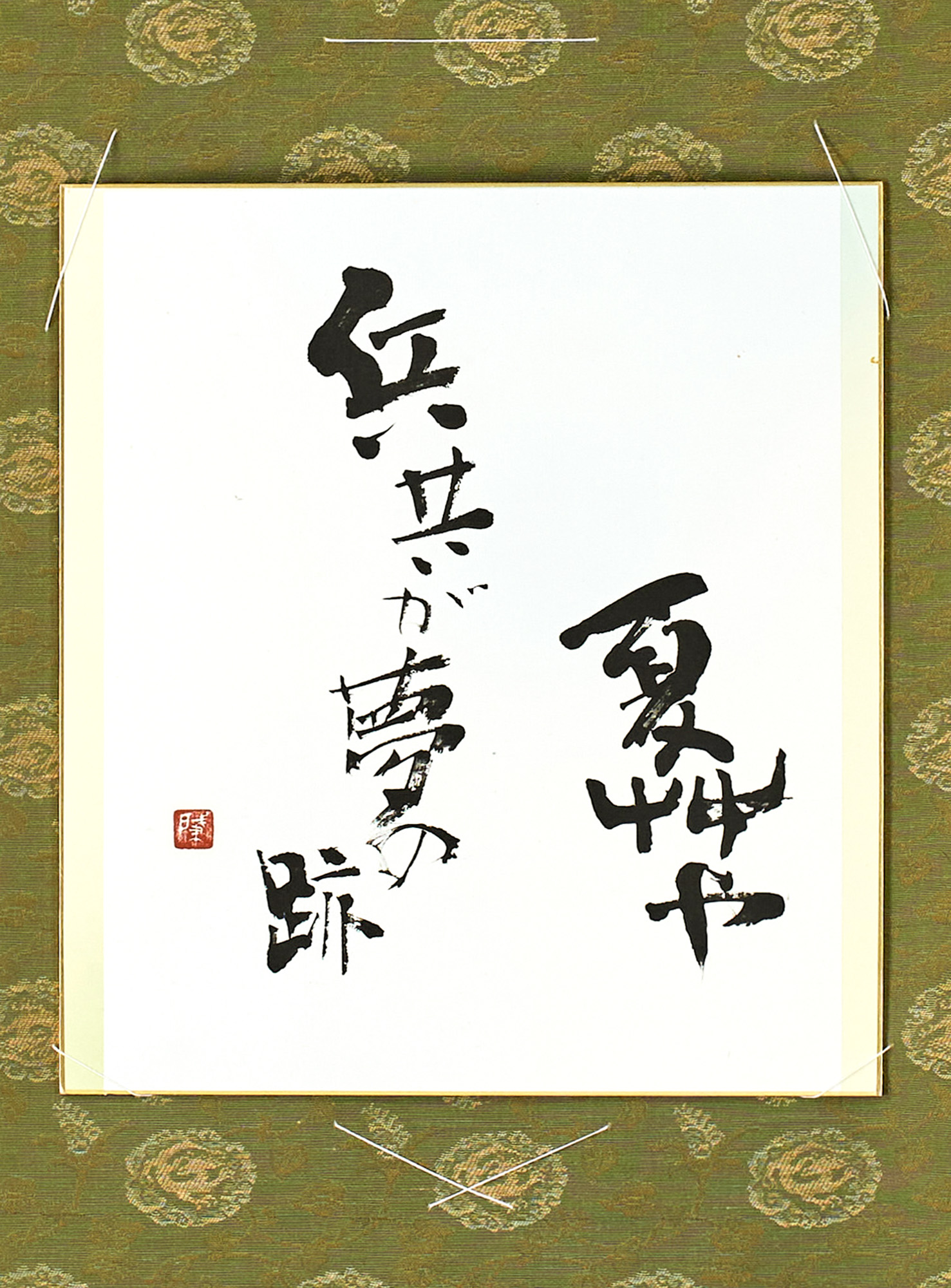
Artist’s Statement
This piece was inspired by a haiku composed at Takadachi in Hiraizumi, in the former Ōshū region.
The poem reflects on how, after the fall of warriors consumed by great ambition and lost in battle, only the lush summer grass remains.
From these words, I envisioned the intensity of the warriors’ aspirations and the unwavering spirit with which they devoted themselves to their cause, and expressed those emotions through this calligraphic work.
高館(奥州平泉)での句。
野望を抱いた武士たちが戦いに敗れ去った後には夏草が茂っている。
の句意から武士たちの大きな野望の強さ一心になって向かっていく姿を想像して書した。
Message from the Artist
What feelings did these works evoke for you?
どのように感じられましたか?
Japan-Europe Palace Art Association Commentary
Jukei Niiro’s calligraphy transcends the mere art of beautiful handwriting, using brush and ink to express the emotions, memories, and passage of time that lie within words themselves. Her style is characterized by both elegance and vitality, with each stroke possessing a natural rhythm and sense of balance. Though her work conveys strength, it never becomes forceful or overtly dramatic; instead, it reveals the intrinsic resonance of language through a quiet and enduring sense of grace.
In her work based on the haiku Even the Sidewalks Are Covered with Falling Cherry Leaves in Autumn, the fleeting beauty of the seasons is expressed through flowing brushwork and graceful composition. The image of cherry leaves scattered across a sidewalk evokes the quiet passage of time and the subtle transformations of nature. The work reflects a deep affection for the natural world and a warm sensitivity toward the small yet meaningful moments of everyday life. Likewise, in works based on poems written by her mother, the calligraphy transcends simple transcription, becoming a visual expression of family memories and a profound respect for the journey of life.
In contrast, her interpretation of Matsuo Bashō’s famous haiku Summer Grasses — All That Remains of Warriors’ Dreamspresents a powerful meditation on impermanence. The contrast between the ambitions of warriors long vanished into history and the summer grasses that continue to flourish in their place is rendered with striking expressive force. Through dynamic brushwork, Niiro evokes both reflection on the past and a spirit of remembrance, bringing to life the profound spiritual dimension contained within Bashō’s words.
Throughout Jukei Niiro’s work runs a consistent thread of compassion for nature and a deep regard for humanity. Within her graceful lines reside both emotional depth and refinement, quietly demonstrating that calligraphy is an art form capable of expressing far more than words alone.
新納寿逕の書道は、文字を美しく記す技術にとどまらず、言葉の奥に流れる情感や時間の気配を筆墨によって表現している。その書風には伸びやかさと品格が備わり、一画一画に無理のない呼吸が感じられる。力強さを備えながらも決して声高になることはなく、穏やかな余韻の中で言葉本来の響きを引き出しているところに特徴がある。
季節の移ろいを詠んだ句では、桜が芽吹き、葉を茂らせ、やがて紅葉して散ってゆく生命の循環が、流麗な筆運びによって表現されている。そこには自然への慈しみと日々の営みを見つめる温かな心が映し出されている。また、母の句に寄せられた深い思いは、単なる書写を超え、家族の記憶や人生への敬意として画面に定着している。
一方、芭蕉の句を題材とした作品では、歴史の彼方へ消えた武者たちの夢と、なお生い茂る夏草との対比が力強く表現されている。
筆勢には往時への想像と鎮魂の念が込められ、言葉が持つ精神性を鮮やかに浮かび上がらせている。
新納寿逕の書には、自然を慈しむ優しさと人への深いまなざしが一貫して流れている。流麗な線の中に情感と品格が息づき、書が言葉を超えた表現であることを静かに物語っているのである。
Post-Exhibition Report
展覧会開催報告

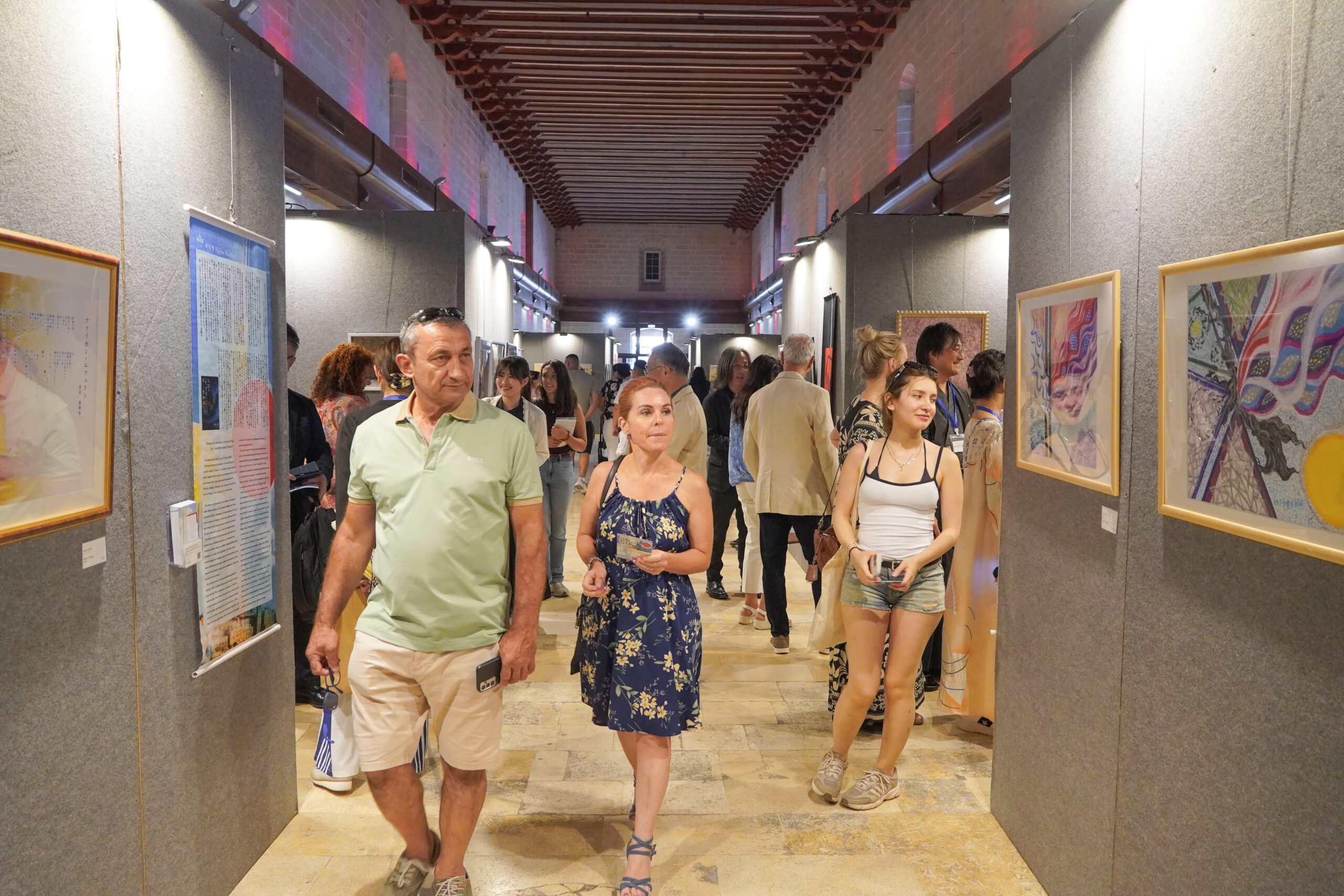
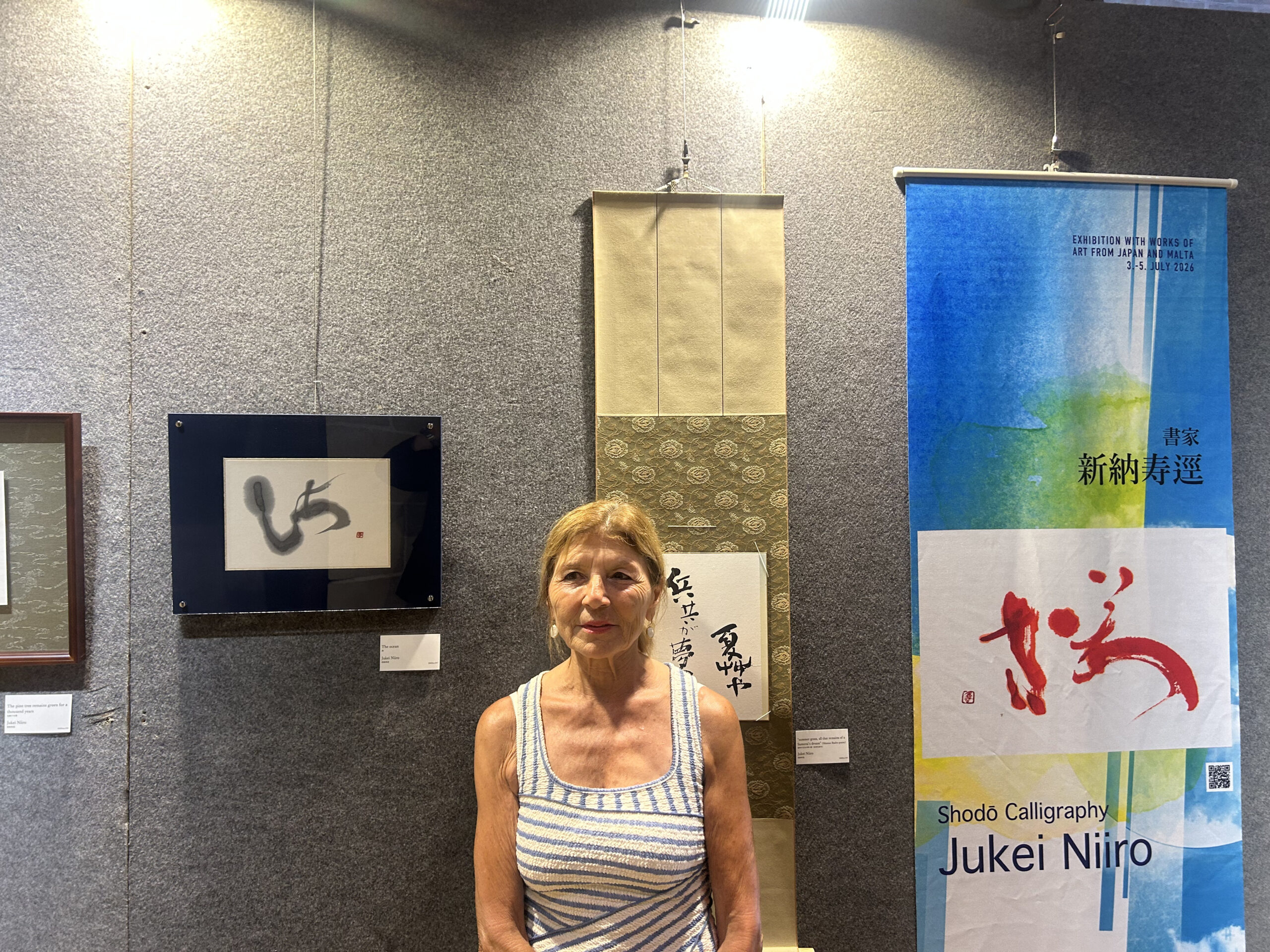
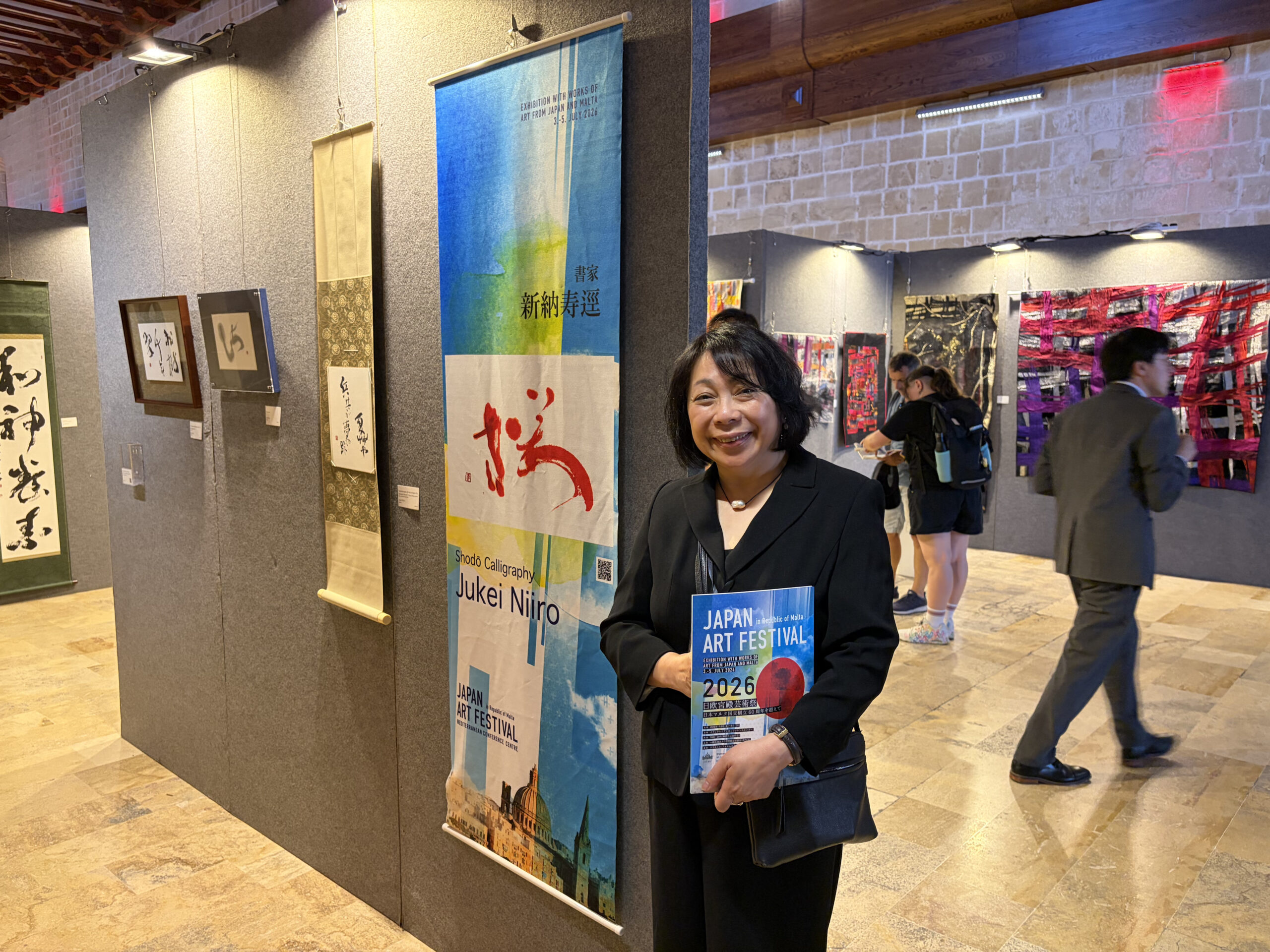
Exhibition Report URL
展覧会報告URL